»Fountaines Of Youth (Live At The Town And Country Club)« wurde im Mai 1987 professionell aufgenommen, kurz vor der Veröffentlichung von »Tallulah«. Uncut schrieb dazu: »Es liefert detaillierte Beweise für das wachsende Selbstvertrauen der Band und ihr stetig verfeinertes Songwriting.« Robert Forster bemerkte: »Diese Show ist mit ziemlicher Sicherheit der einzige Auftritt der Go-Betweens, der auf 24-Spur-Analogband (2 Zoll) aufgenommen wurde. Die Aufnahme entstand in einem mobilen Aufnahmewagen neben dem Bühneneingang des Veranstaltungsortes. … Unsere Intentionen für die Aufnahme beeinflussten maßgeblich unsere Herangehensweise an die Performance. Was Sie hören, ist keine typische Go-Betweens-Show. Es ist ein einmaliges Erlebnis – und das zeigt sich deutlich in einem Punkt: der Setlist. Da wir die Möglichkeit hatten, unsere Musik auf vier Vinylseiten festzuhalten, wählten wir einen etwas gewagteren Ansatz, was die Setlist betrifft. Wir haben nicht nur eine einmalige Aufnahme, sondern auch eine einmalige Show. Und einige der besten Momente sind unserer unkonventionellen Spielweise zu verdanken.«
Die Alben entstanden in den sogenannten »Londoner Jahren« der Band – als sie in der Stadt lebten und aufnahmen. »Liberty Belle and the Black Diamond Express« (1986) und »Tallulah« (1987) sind Studioalben, während »Fountains Of Youth« die Gruppe in Höchstform im Town and Country Club im Mai 1987 zeigt. Viele der Songs für »16 Lovers Lane« (1988) wurden in dieser Zeit geschrieben, bevor die Band für die Aufnahmen nach Sydney zurückkehrte. Das majestätische, sonnendurchflutete »Streets Of Your Town« war die erste Singleauskopplung.
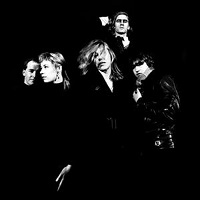
Die Band wurde 1978 in Brisbane von Grant McLennan und Robert Forster gegründet, zwei Studenten der Universität Queensland mit einer Leidenschaft für Filme, Bob Dylan Mitte der 60er-Jahre und die New Yorker Punk-Szene. Beide sangen, spielten Gitarre und schrieben Songs. Die Besetzung der Band mit zwei unabhängigen Singer-Songwritern an der Spitze war ungewöhnlich, funktionierte in diesem Fall aber hervorragend. Roberts kantige, düster-romantische Kompositionen wurden perfekt durch Grants melodische, poppoetische Beiträge ergänzt.
Mit einer Reihe starker Singles, beginnend 1978 mit dem von John Peel gefeierten »Lee Remick/Karen«, wurde die Band von Rough Trade unter Vertrag genommen und startete ihre Londoner Phase mit dem Post-Punk-Opus »Before Hollywood« (1983). Lindy Morrison stieß als Schlagzeugerin zur Gruppe, und kurz darauf kamen Robert Vickers (Bass) und Amanda Brown (Violine, Oboe, Gesang) hinzu – so entstand eine Band, die in ihrer Art einzigartig war. John Willsteed (Bass, Gitarre) stieß 1988 für das Album »16 Lovers Lane« zur Band.
Die Go-Betweens schienen zeitlos zu sein – der große Durchbruch blieb ihnen zwar verwehrt, doch ihr Talent für großartige Alben war ungebrochen. Ihr Sound, ihre Songs und ihr Image haben Generationen von Bands und Fans gleichermaßen inspiriert. Die Alben von Beggars Banquet bilden den Kern dieser Wertschätzung.
Right before their release of their 1987 album Tallulah, the Go-Betweens played a show at London's Town and Country Club and had it professionally recorded. The show was a feature for new member Amanda Brown, who had joined to add violin, keyboards, and backing vocals, and it was also a chance for the band to take a trip through their back catalog and extract some lesser-known nuggets to go along with some of their more-beloved songs. The tapes sat unused for years until they were first issued on the second G Stands for Go-Betweens collection, then they were issued as a stand-alone record a few years later. It's a shame it didn't see the light of day sooner because it's a great record that captures the group at a high point in their career. They sound joyous and full of hope, with both Robert Forster and Grant McLennan singing their hearts out and the rest of the band -- aka the crack rhythm team of bassist Robert Vickers and drummer Lindy Morrison -- providing their share of thrills. Brown's instrumental contributions add dramatic flair to the proceedings, and her airy vocals help balance the brutal intensity of the guys' singing. Not surprisingly, the recording quality is top-notch, almost sounding like a radio session where all the instruments are balanced perfectly. The songs are especially well-chosen, mixing uptempo tracks like "This Girl, Black Girl" and "Head Full of Steam" with slower, more emotional gripping ballads ("When People Are Dead") and thoughtful numbers that the band specialized in ("Apology Accepted"). For anyone lucky enough to have seen the Go-Betweens around this time, the record will be a thrilling bit of nostalgia. For everyone else, it's a snapshot of a brilliant band at the height of their powers, and if one doesn't already have the G Stands for Go-Betweens set, this release is a chance to own an important slice of the band's unheard history.
(by Tim Sendra, All Music Guide)


 Plattentipp